
Beam, Spot, Wash or 3-in-1? How to Choose Moving Head Lights for Events
Moving head lights do most of the work on a modern stage: they throw beams into the air, project patterns, colour the performers and sweep the audience. Choosing the right ones comes down to four questions: which effect you need, how big the venue is, which light source suits your workload and how the rig will be controlled. This guide walks through each so you can specify a rig, or a rental inventory, with confidence.
The four types of moving head in one minute
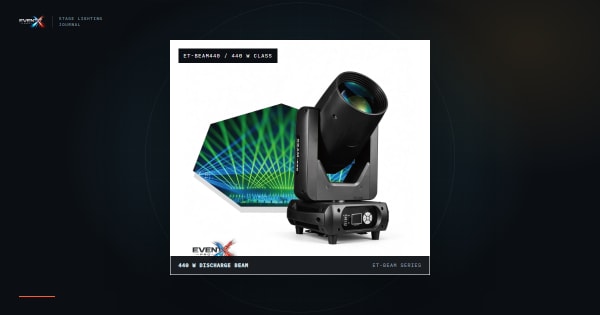
- Beam: a very narrow, intense shaft of light, often only a few degrees wide, for aerial effects, fans and sky looks. Prisms and gobos split the beam into shapes. Beams look their best through haze.
- Spot: projects gobos (patterns) and logos with a sharp edge, plus colour mixing and effects. A profile fixture adds framing shutters that cut the light to a clean shape, which theatre and TV crews rely on.
- Wash: soft-edged, even light with a wide zoom for colouring people, scenery and stage floors. LED washes are the workhorse of most rigs.
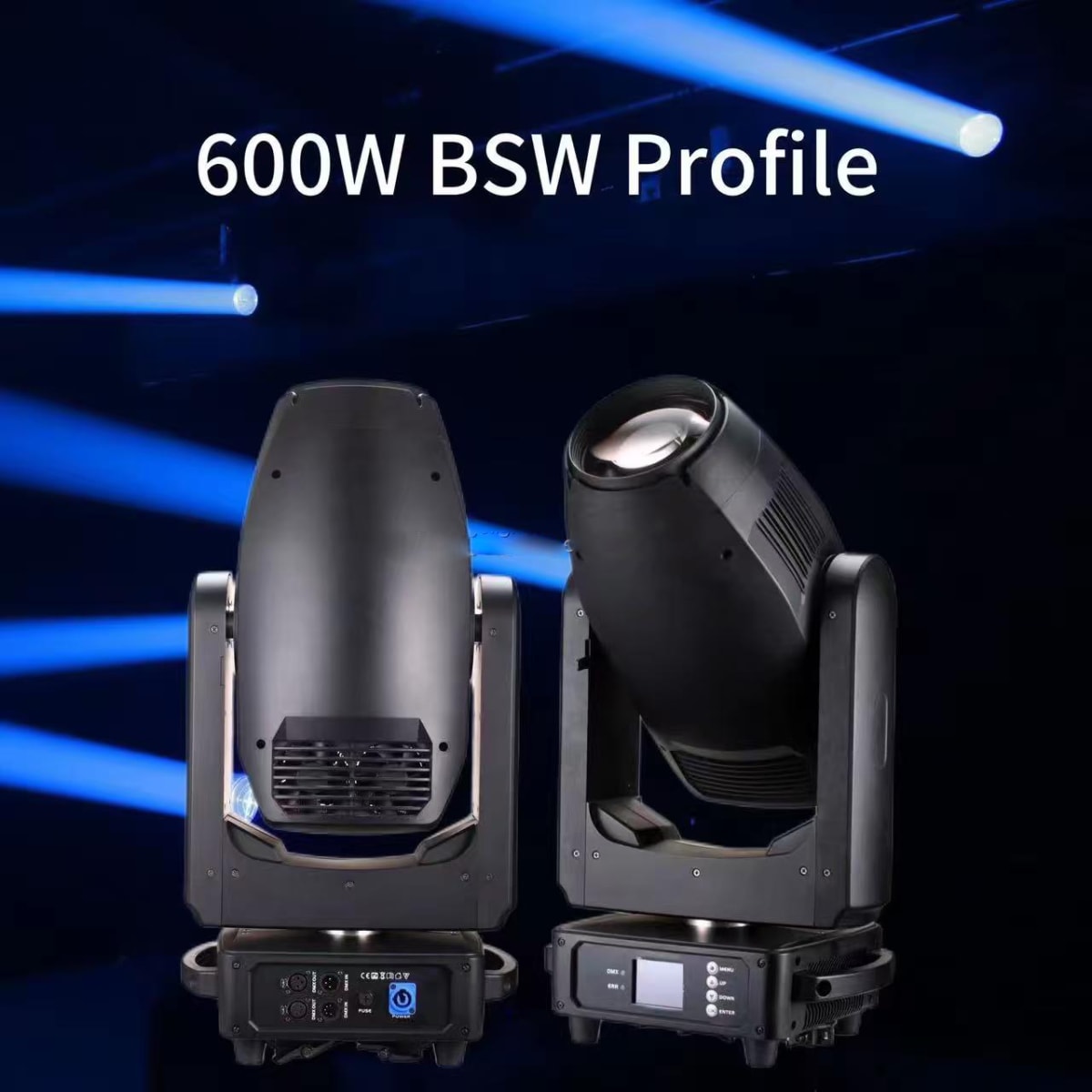
- 3-in-1 (beam, spot and wash): also sold as hybrid or "BSW" fixtures, these switch between all three looks, so one fixture type can cover most of a show.
When a 3-in-1 fixture makes sense, and when it doesn't
A 3-in-1 moving head is the most flexible choice for rental stock, touring rigs and venues that host very different events in the same week. Fewer fixture types also mean fewer spare parts, simpler programming and lighter trucks.
The trade-off is specialisation. A dedicated beam fixture usually delivers a tighter, punchier beam, and a dedicated LED wash usually gives a smoother, wider wash than a hybrid at the same price. That is why many lighting designers mix types: hybrids on the main trusses, dedicated washes for even stage coverage and a line of beams for the big aerial moments.
How much wattage do you need?
Higher wattage means more light and longer throw, but also more weight, heat and power draw. Instead of buying the biggest fixture available, match output to the throw distance and how much ambient light you have to fight:
- Clubs, ballrooms and conference stages: compact beams and LED spots or washes in the lower wattage range are usually enough, and their lighter weight suits low ceilings and small trusses.
- Theatres and mid-size concert halls: mid-range spots and 3-in-1 fixtures give enough punch for gobo projection and key light at longer throws.
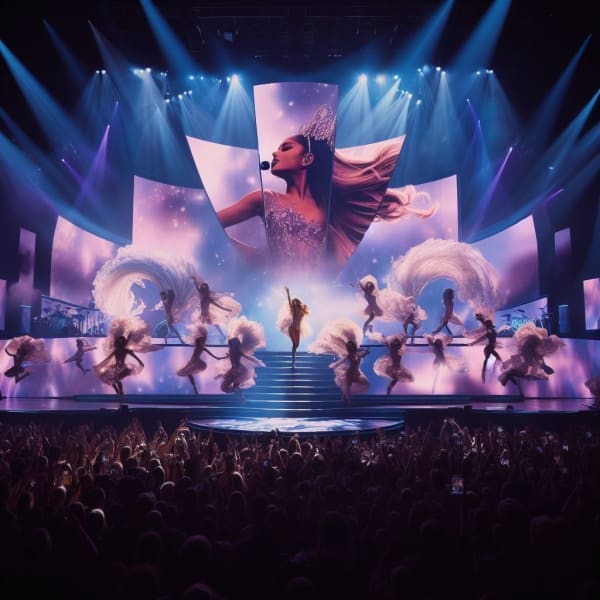
- Arenas, festivals and outdoor stages: the highest-output beams and hybrids are needed to reach the back of the audience and to read in large open spaces.
Compare before you decide: on our stage lighting page, tick “Compare” on up to four models to see their price, power, light source and specifications side by side.
LED or discharge lamp?
LED engines run cooler, draw less power, switch on instantly and need almost no maintenance because there is no lamp to replace. They are the default choice for washes, spots and venues that run shows every day.
Discharge-lamp fixtures, often labelled by lamp type such as 7R or 17R, still produce some of the most intense, tightly focused beams for the money. The cost is periodic lamp replacement and a short warm-up. For big aerial beam effects they remain popular; for most other jobs, LED has become the standard.
Outdoor shows: check the IP rating
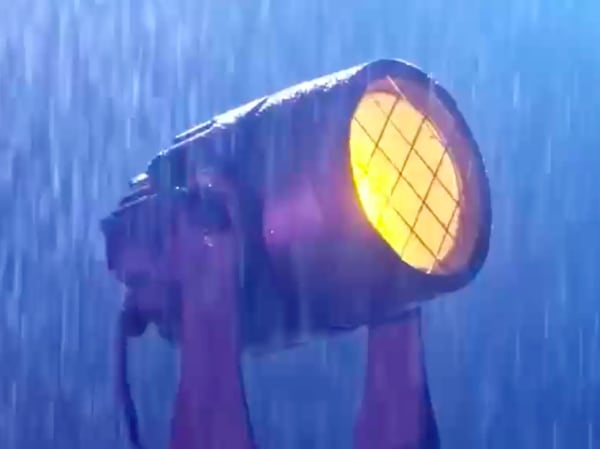
The IP (Ingress Protection) rating tells you how well a fixture is sealed: the first digit covers dust, the second covers water. IP65 means the fixture is dust-tight and protected against water jets, so it can stay rigged through rain on an outdoor stage. Indoor fixtures, typically IP20, need a roof or rain covers. We supply IP65-rated stage lighting for outdoor events; the rating of each model is listed in its specifications.
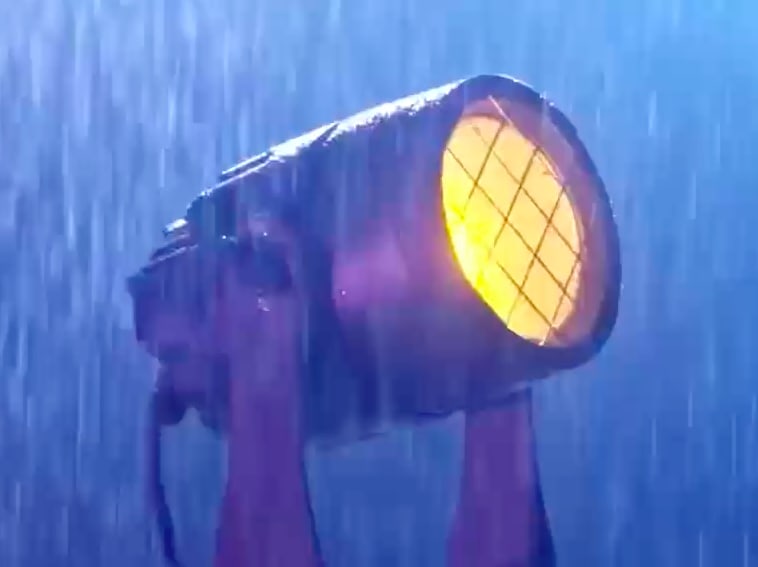
Planning an open-air event? Our outdoor event equipment checklist covers weatherproofing, power and rigging in more detail.
Control: DMX512, Art-Net and sACN
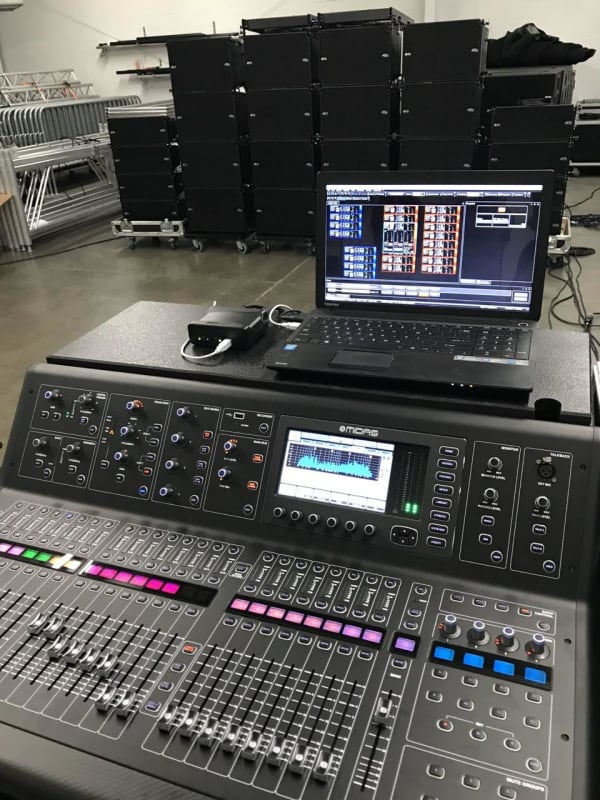
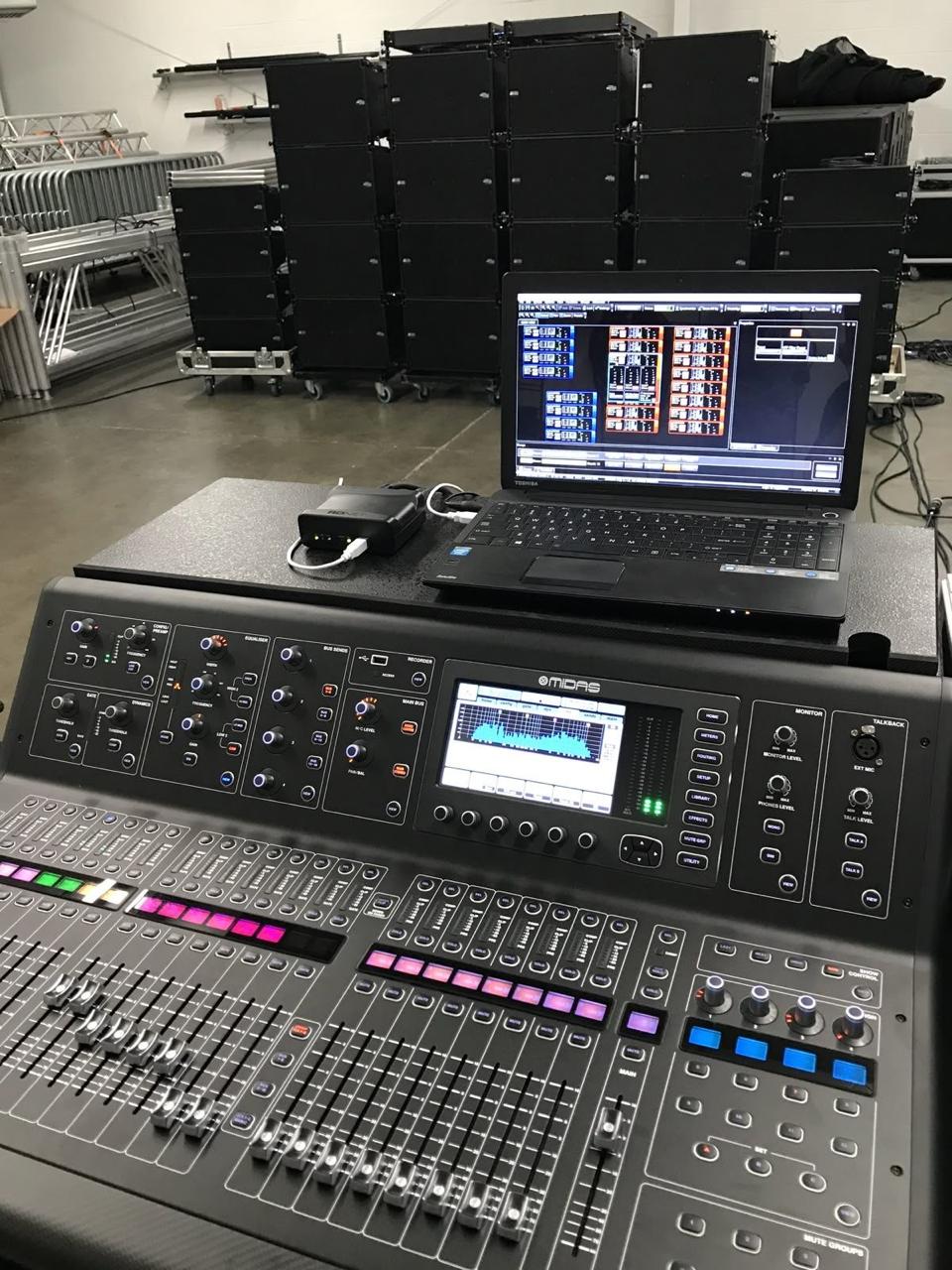
Moving heads are run from a lighting console using DMX512, which carries 512 control channels per "universe". Depending on its mode, one moving head can use anything from about a dozen to several dozen channels, so a large rig quickly needs several universes. Network protocols such as Art-Net and sACN carry many universes over a single Ethernet cable and are standard on bigger shows.
When planning a rig, count the channels per fixture mode, work out how many universes you need and make sure the console and network nodes can handle them. Our lighting control system is built on DMX512 with addressing, grouping, scene programming and synchronised effect playback.
A quick buying checklist
- List the looks you need: aerial beams, gobo projection, even colour, audience effects.
- Measure throw distances and note whether the show is indoors or outdoors.
- Choose fixture types and wattage per position rather than one model for everything.
- Decide between LED and discharge lamp based on how often the rig runs.
- Check the IP rating, the weight on each truss and the power per circuit.
- Count DMX channels and universes and plan the control network.
- Order spares: a few extra fixtures, cables and clamps can save a show.
Frequently asked questions
What is the difference between a beam and a spot moving head?
A beam moving head produces a very narrow, intense beam for aerial effects. A spot moving head projects patterns (gobos) with a wider, sharp-edged beam, so it is better for texturing the stage and projecting logos.
Are 3-in-1 moving heads worth it?
For rental companies and multi-purpose venues, usually yes, because one fixture covers beam, spot and wash looks. If a show depends on one effect, such as huge aerial beams, a dedicated fixture for that job will often perform better.
Can moving head lights be used outdoors?
Only if they are rated for it. Look for IP65 or higher; otherwise the fixtures need a roof or rain covers.
How many moving heads do I need?
It depends on the stage size, trim height and the look of the show. Share your stage dimensions and event type with a lighting designer, or with our team, and you will get a fixture plan with quantities and positions.
Planning a rig or restocking a rental inventory? Browse our stage lighting or request a quote with your stage size and show type, and our team will recommend fixtures, quantities and control.