How to Choose an LED Screen for Events: Pixel Pitch, Brightness and Size
An LED wall is often the most expensive item on an event specification, and the most visible one. Getting it right means matching pixel pitch to the viewing distance, brightness to the venue, and size to both the stage and your content. Here is how to make each decision.
1. Pixel pitch: match it to the closest viewer
Pixel pitch is the distance between the centres of two neighbouring pixels, in millimetres: P2.6 means 2.6 mm and P3.9 means 3.91 mm. The smaller the pitch, the more pixels per square metre and the sharper the image up close, and the higher the price.
A simple rule of thumb: the closest comfortable viewing distance in metres is roughly the pixel pitch in millimetres. A P3.9 screen looks smooth from about 4 m away, a P2.6 screen from about 2.6 m.
- Conferences, product launches and TV studios: audiences and cameras are close, so P1.9 to P2.9 is typical.
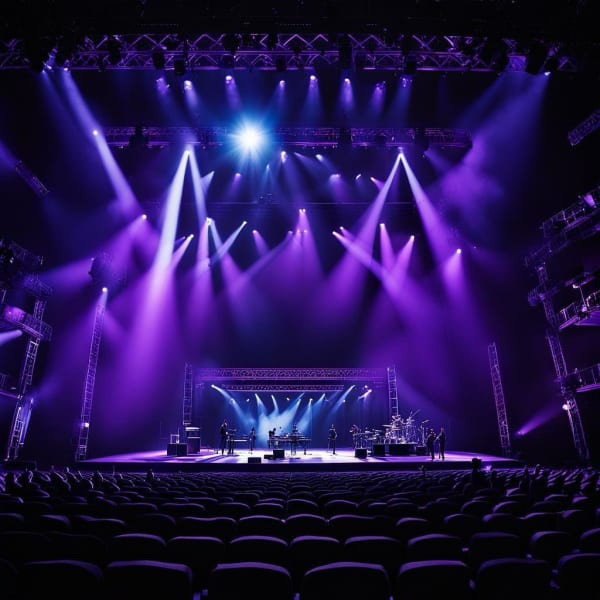
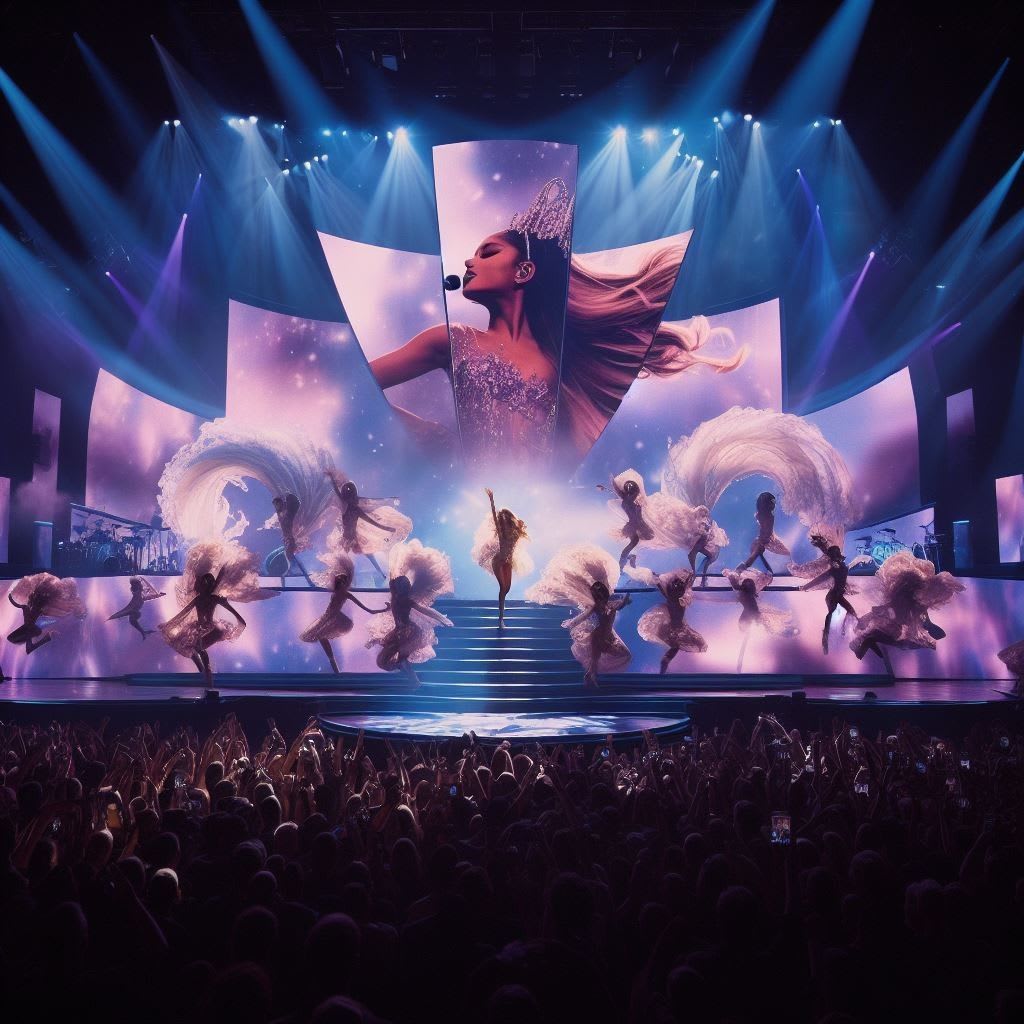
- Concert stages and ballrooms: P2.9 to P3.9 is the common rental sweet spot.
- Festivals, stadiums and side screens: viewers are far away, so P4.8 and larger pitches keep the cost down without visible pixels.
2. Brightness: indoor vs outdoor
Brightness is measured in nits (candela per square metre). Indoor screens typically run at around 800 to 1,500 nits; anything brighter is uncomfortable in a dark room and gets dimmed anyway. Outdoor screens need roughly 4,500 nits or more to stay readable in daylight.
Outdoor panels are also sealed against rain and dust, usually with an IP65 rating at the front. If any part of the show is outdoors, even on a covered festival stage, specify outdoor panels.
3. Refresh rate and cameras
If the event is filmed or live-streamed, ask for a high refresh rate, 3,840 Hz or more is a common requirement, so the screen does not flicker or show scan lines on camera. Grayscale depth matters too: it decides how smoothly dark scenes and gradients render.
4. Screen size and resolution
Size follows the stage and the audience: the screen must be readable from the back row and still leave room for lighting and set pieces. Once you know the size, the resolution follows from the pitch:
Resolution = screen width ÷ pixel pitch, by screen height ÷ pixel pitch.
A 6 m × 3.5 m wall at P3.91 is about 1,535 × 895 pixels. Give your content team these exact numbers and ask for content at native resolution. Stretching a 1920 × 1080 video onto a wall with a different shape is one of the most common reasons event screens look soft or distorted.

5. Rental cabinets: flown, stacked or built into the set
Rental LED cabinets are built for fast set-up, with lightweight die-cast aluminium frames, quick locks, curve locks for convex or concave walls and corner protection for transport. They can be:
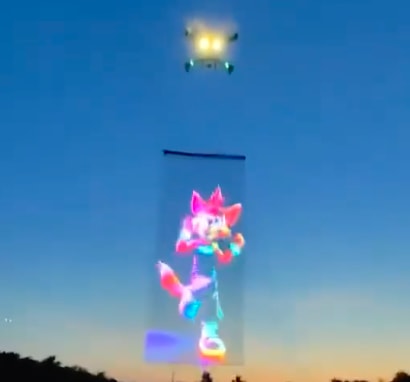
- Flown from truss or hoists on flying bars, the standard for concert stages. Our flying LED display systems are engineered for rigging, with high brightness and weather-resistant construction for outdoor use.
- Ground-stacked on a stacking frame where there is no rigging point.
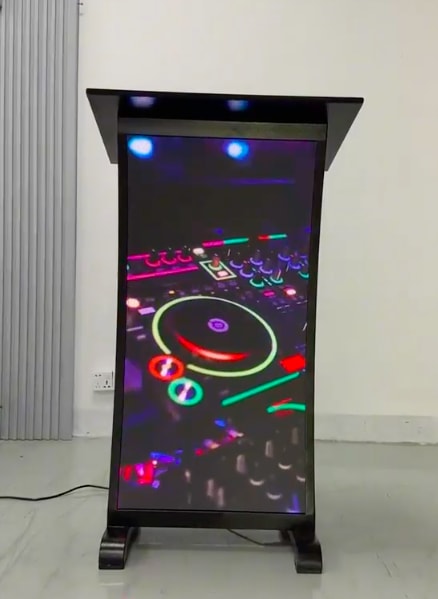
- Built into the set as LED floors, pillars and LED podiums that turn the stage itself into a screen.

Whichever method you choose, follow the manufacturer's rigging data for the maximum number of cabinets per column and have a qualified rigger check the load on the truss or hoists.
6. Processing, power and backup
An LED wall needs a controller with sending and receiving cards to drive the panels, and usually a video processor to scale and switch sources. Plan dedicated power circuits for the screen, and for important shows run a backup signal path so that one failed cable does not black out the wall. Keep a few spare cabinets and modules on site.
Running the screen outdoors? See our outdoor event equipment checklist for weather, wind and power planning.
Frequently asked questions
What pixel pitch is best for an outdoor event?
It depends on how close the nearest viewers are. For most outdoor stages and festivals, P3.9 to P4.8 balances sharpness and cost; very large screens watched from far away can use larger pitches.
How bright should an outdoor LED screen be?
Around 4,500 nits or more for daytime use. You will dim it at night, but the headroom matters in direct sunlight.
Can indoor LED panels be used outdoors?
No. Indoor panels are not sealed against water and are not bright enough for daylight. Use outdoor-rated panels for any open-air or partly covered stage.
What resolution should my video content be?
Divide the screen width and height by the pixel pitch to get the native resolution, and create the content at exactly that size.
Need an LED wall for your next production? Browse our LED display systems or request a quote with the screen size, viewing distance and whether it will be used indoors or outdoors.