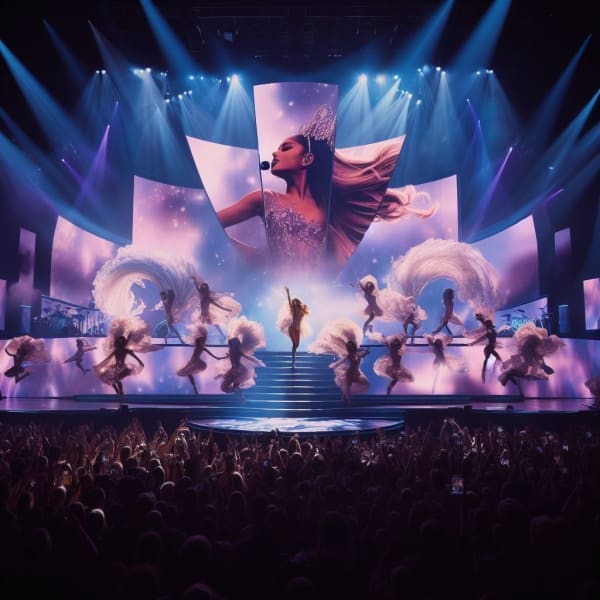
Outdoor Event Equipment Checklist: Lighting, LED Screens, Truss and Sound
Outdoor events put equipment under more stress than any indoor venue: rain, dust, wind, sunshine on the screens and long cable runs. A good plan deals with the weather first, then the structure, then the systems. Use this checklist when you specify a festival stage, an outdoor concert or a corporate event in the open air.
1. Weather comes first
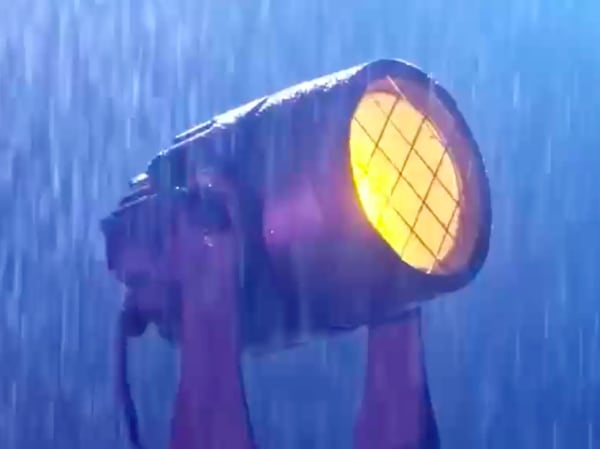
- Check the IP rating of everything that sits in the open. IP65 equipment is dust-tight and protected against water jets; IP20 equipment is for indoor use only and needs a roof, covers or a different model.
- Plan for wind. Roofs, LED walls, banners and ground-stacked speakers all catch the wind. Get the manufacturer's wind rating for every structure and agree in advance who decides to lower screens or pause the show.
- Protect the connections. Use outdoor-rated power and data connectors, keep distribution boxes off the ground and cover cable runs where the audience walks.
2. Stage, roof and truss
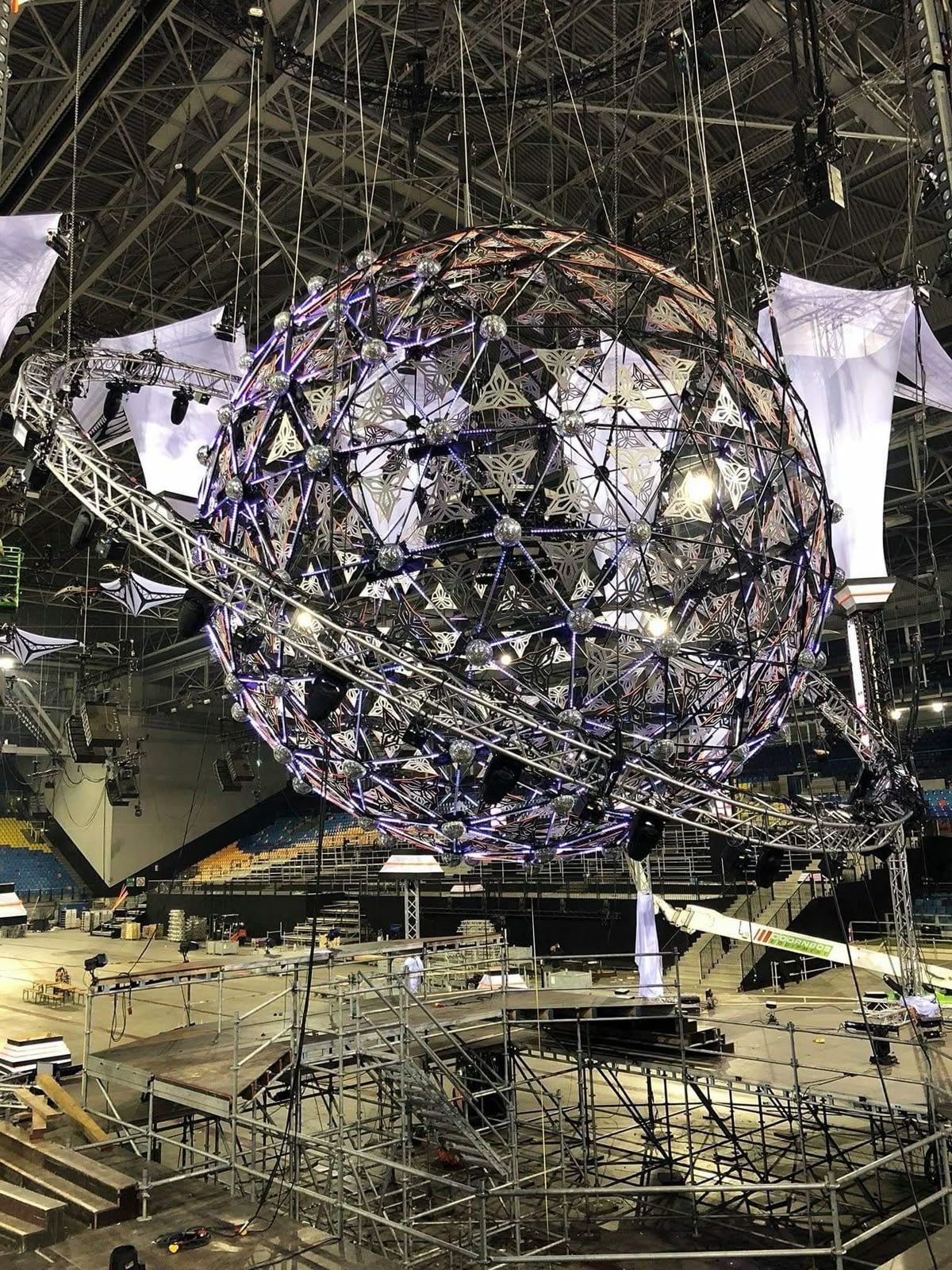
For anything bigger than a small stage, use an engineered roof system rather than improvised truss. Start from the loads: list everything that will hang from each truss, including lights, LED cabinets, speakers, hoists and cables, and check it against the truss manufacturer's load tables for that span. Ballast or anchor every ground-support tower, use chain hoists rated above the load, and have a qualified rigger sign off the structure before anything is flown.
Our stage truss and rigging range covers box truss, roof systems, base plates, clamps and chain hoists. Send us your stage size and what will be rigged, and we will propose a structure.
3. Lighting that survives the weather
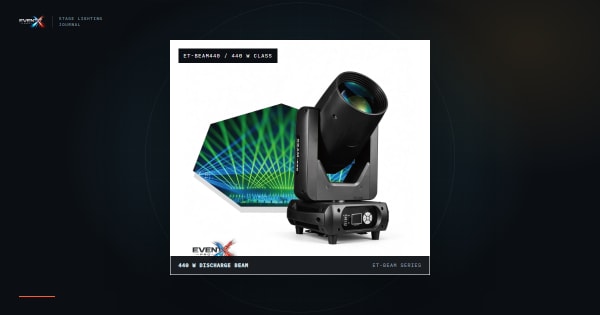
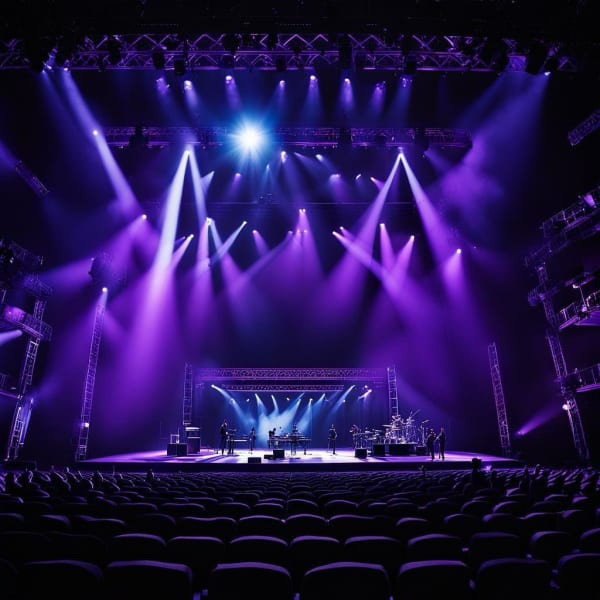
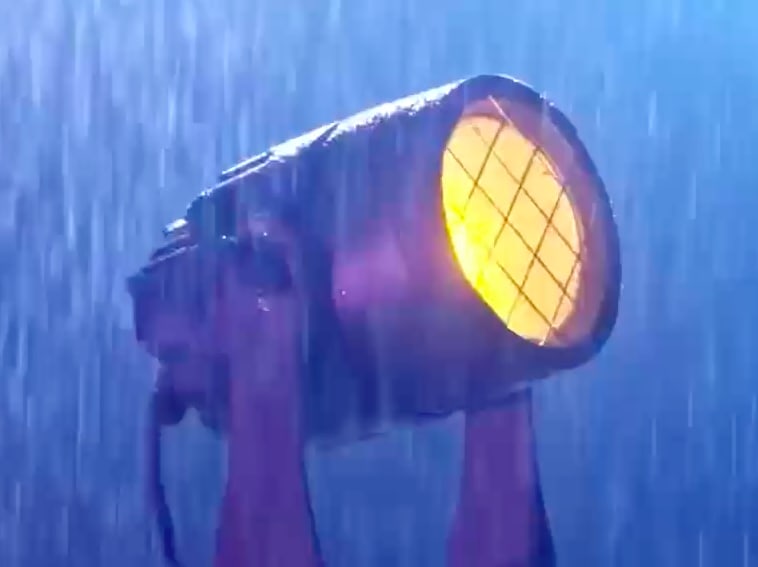
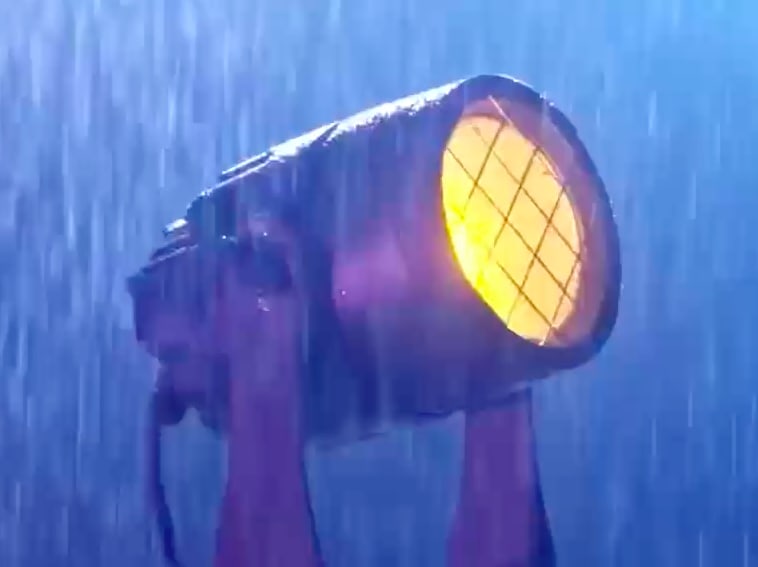
Outdoor lighting has two jobs: look great after dark and survive the day. Choose IP65 moving heads, washes and blinders so fixtures can stay rigged through rain, and pick higher-output fixtures for beams that have to reach the back of a large field. If the show starts before sunset, the first part of it will be lit mostly by daylight, so save the big lighting moments for after dark. For a full breakdown of fixture types, read how to choose moving head lights, and see our IP65 stage lighting fixtures.
4. LED screens bright enough for daylight
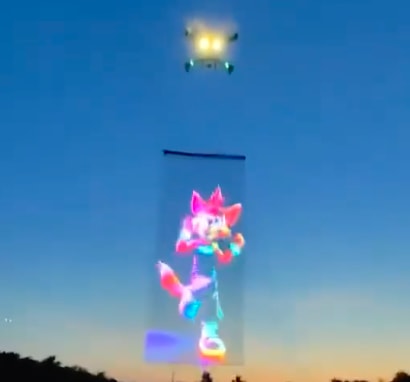
Outdoor screens must be weatherproof and bright, typically 4,500 nits or more, to stay readable in sunshine. Choose the pixel pitch by the distance of the nearest viewers (P3.9 to P4.8 is common on festival stages), fly the wall from the roof or a dedicated structure, and keep spare cabinets and a backup signal path. Our flying LED displays are designed for exactly this, and our guide to choosing an LED screen for events explains pixel pitch, brightness and resolution in detail.
5. Sound coverage and the neighbours
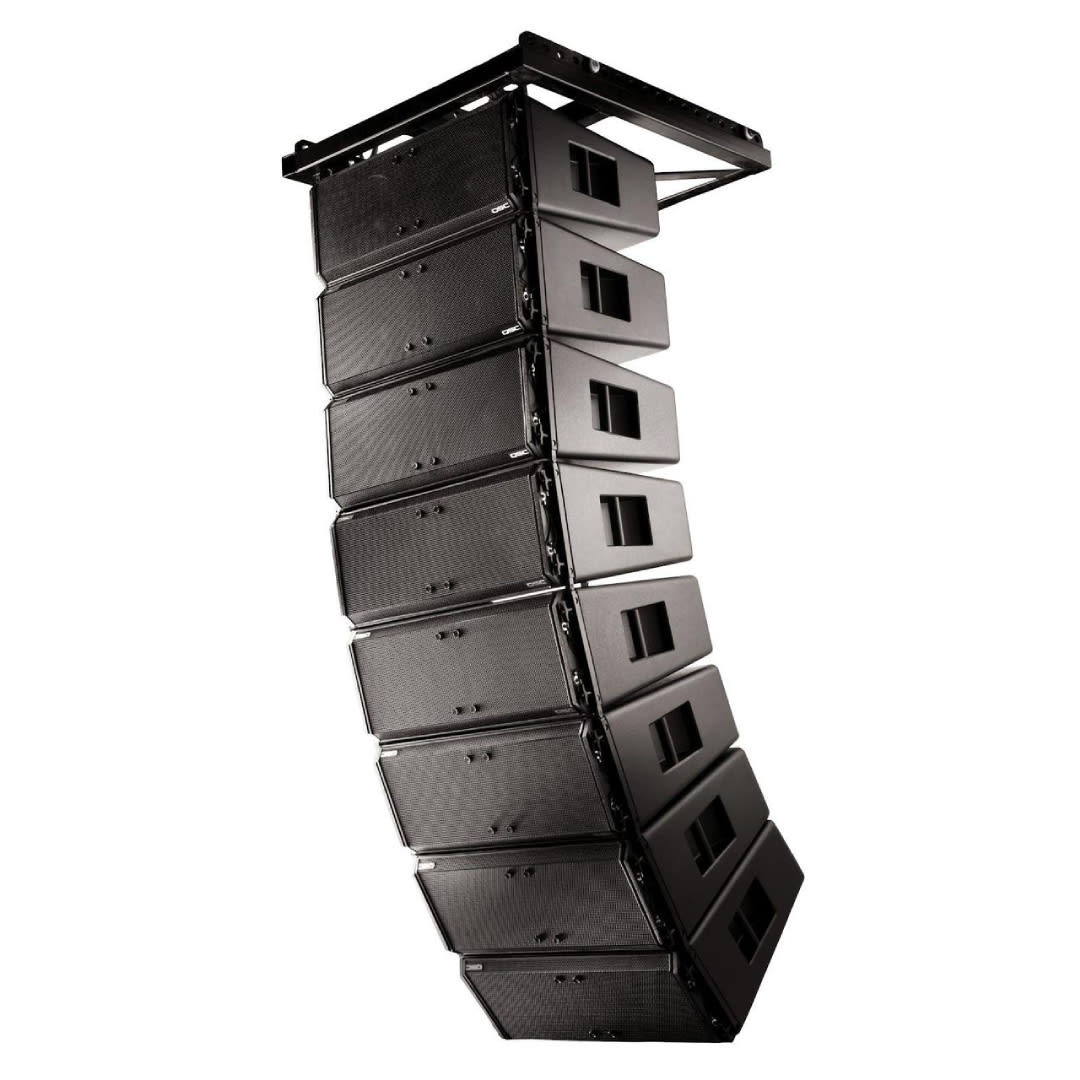
Outdoors there are no walls to reflect sound, so coverage depends entirely on the system. Line arrays throw sound evenly over long distances, and large audiences may need delay speakers further back. Check local noise limits and curfews before the event, and position the subwoofers to reduce the sound travelling towards homes. Browse our sound systems.
6. Power and distribution
Add up the power draw of lighting, video, audio and effects, then add a margin for start-up peaks. Most outdoor events run on generators, so plan where they stand (away from the audience and the mixing desk), how fuel is managed and how power is distributed. Use residual current protection, give audio its own clean supply where possible and protect every cable crossing.
7. Logistics, spares and testing
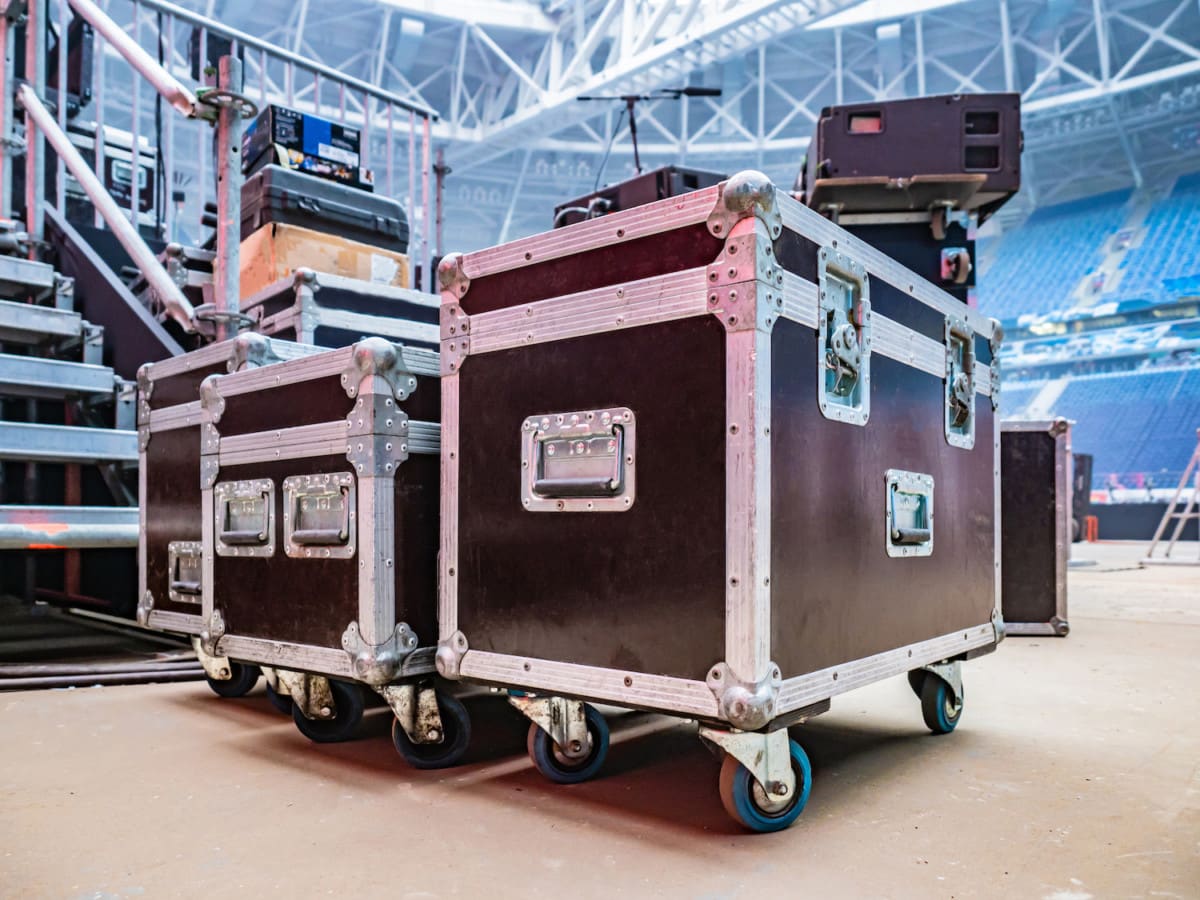
- Pack equipment in flight cases and label them by stage position to speed up the load-in.
- Bring spares: a few extra fixtures, LED modules, cables, clamps and fuses.
- If equipment is shipped internationally, allow time for production, transport and customs paperwork.
- Test and commission the whole system, including lighting, video, audio and effects, before show day rather than on it.
The checklist
- All outdoor equipment rated IP65 or covered.
- Wind ratings and a weather decision plan agreed.
- Truss and roof loads calculated and signed off by a qualified rigger.
- Lighting output matched to throw distance, with the big looks planned for after dark.
- LED screen bright enough for daylight, with spare cabinets and a backup signal.
- Sound coverage, delay positions and noise limits checked.
- Power budget, generators, distribution and cable protection planned.
- Spares packed and a full system test before show day.
Frequently asked questions
What IP rating do I need for outdoor stage lighting?
IP65 or higher. It means the fixture is dust-tight and protected against water jets, so it can stay rigged in the rain.
How bright should an outdoor LED screen be?
Plan for about 4,500 nits or more if the screen will be used in daylight.
Do I need a stage roof for an outdoor concert?
For most professional outdoor stages, yes. A roof protects performers and equipment, provides rigging points for lights, screens and speakers, and keeps the show running in light rain.
Can EventX Pro supply equipment for an event abroad?
Yes. EventX Pro is a B2B event equipment supplier based in Hong Kong that ships worldwide. Send us the event date, location and equipment list, and we will quote with delivery times.
Equipping an outdoor stage? Request a quote with your stage size, audience and dates, and our team will propose the lighting, screens, truss and sound for the job.